Best Places in Vietnam: Top Attractions & Travel Tips

When we were planning our trip to Southeast Asia, a lot of our friends highly recommended Vietnam. Now that we have explored this beautiful country, we preach the same thing! There are plenty of adventures to be had, stunning views and road trips, rich culture and history, great food and the best coffee. It is also one of the most affordable countries in Southeast Asia for travelers and digital nomads.
In this guide, we will be sharing the best places in Vietnam, reason to visit, things to do and where to stay. To help with your planning – we will be dividing travel destinations in Vietnam into North, Central and South. And if you’re ready, let’s dive into it.
Don’t have time to read the full article? Here are some helpful links:
👉 Check out the best accommodations for your visit.
👉 Start exploring the best tours.
👉 Book your flight to Vietnam.
Table of Contents
Best Places in North Vietnam
North Vietnam is perfect for history buffs, nature lovers – think of scenic road trips, terraced rice fields – and travelers who want a more authentic Vietnamese experience.
Best Cities in North Vietnam
Hanoi
The capital city of Vietnam, Hanoi, combines a busy atmosphere and diverse culture and history. There are plenty of things to do in Hanoi such as visiting the Temple of Literature, walking around Hoan Kiem Lake, enjoying a Vietnamese coffee at Train Street, watching a water puppet show, and paying respects to the country’s iconic leader at Ho Chi Minh Mausoleum. Check out our post on traveling in Hanoi and best things to do.
Top Rated Stay: Hanoi Royal Palace Hotel

Ha Long
The gateway to UNESCO-listed bay featuring boat tours of the nearly 2,000 dramatic limestone karsts rising from emerald waters. Staying in Ha Long appeals for the serene coastal vibe, Sun World Halong theme park with Ferris wheel views, vibrant night markets, and proximity to natural beauty, compared to the Urban feel of Hanoi.
Top Rated Stay: Radisson Blu Hotel
Sapa
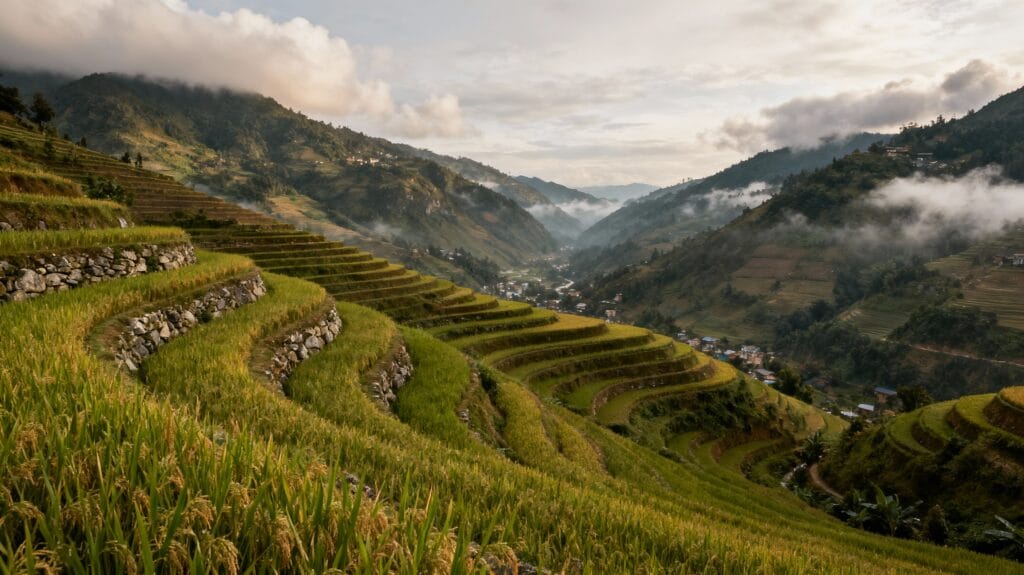
Located in the northern mountains of Vietnam, Sapa is known for its terraced rice fields, beautiful waterfalls and ethnic minority villages and mostly visited for trekking experiences. You can hire a local Hmong, Dai or Dao guide to walk you through rice fields, waterfalls and views of the landscape. The town of Sapa is small – the main appeal is the incredible natural beauty throughout the province. You could also take a cable car to visit Mount Fansipan, the highest peak in Indochina, and see China on a clear day.
Top Rated Stay: Topas Ecolodge
Best Places to Visit in Northern Vietnam
Ninh Binh
Often called “Ha Long Bay on land,” Ninh Binh has stunning karst landscapes rising from peaceful rice paddies and beautiful cave systems. In Ninh Binh, you can take a boat tour from Tam Coc or visit the Trang An Grottoes. You can also visit ancient places of worship such as the Bich Dong Pagoda and Bai Dinh Pagoda.
Ha Long Bay
Ha Long Bay is a UNESCO World Heritage Site known for its scattered limestone islands and it is also one of the most highly-visited places in North Vietnam. You can visit Ha Long Bay as a day trip from Hanoi or enjoy a multi-day cruise through the bay to explore hidden caves, floating villages, and several beaches.
Cat Ba Island
Cat Ba Island is the largest island in the Lan Ha Bay (a quieter alternative of Ha Long Bay) archipelago. You can take a day or overnight cruise around Lan Ha Bay, kayak through hidden lagoons and bioluminescent plankton, and explore caves such as the military hospital cave (Hang Quan Y) and Trung Trang Cave. And if you love hiking, don’t miss Ngu Lam Peak (2.9km out-and-back, 1.5 hours to complete) in Cat Ba National Park, a UNESCO Biosphere Reserve.

Quang Phu Cau Incense Village
If you are staying in Hanoi, you can book a tour to Quang Phu Cau Incense Village located 40 minutes from Hanoi. The craft of making these brightly-colored incense in this small village dates back over a century. It is free to enter the village and meet locals but some areas for photography are paid.
Mu Cang Chai District
Located south of Sapa, this place in Northern Vietnam caught our attention after seeing it social media. The main activity here is hiking and viewing intricate terraced rice fields such as the Mam Xoi Hill and horseshoe-shaped terraces of Mong Ngua. And if you love road trips, don’t miss driving through Khau Pha Pass for spectacular views of valleys and rice fields.
Ban Gioc Waterfall
This majestic wallpaper-worthy waterfall is located at Cao Bang Province and borders China. The best time to visit Ban Gioc Waterfall is during September to October for full water-flow. Entrance fee to see the waterfall is 45,000 VND and if you want to get up close to the base of the falls, you can take a bamboo raft ride for 50,000 VND. You can visit a multi-day trip from Hanoi or from Cao Bang.

Ta Xua
Ta Xua, located about 4 hours from Hanoi, is known as the cloud hunting paradise. During the cold months, dense layer of clouds cover the valleys creating a “sea of clouds”. The best time would be at sunrise or early morning at one of these viewpoints – turtle head rock, dolphin peak (or beak) and the Lonely Tree at Gio Peak.
Pu Luong Nature Reserve
Pu Luong located at Southwest of Hanoi offering a peaceful atmosphere in nature and a less-crowded alternative to Sapa. You can explore the Hieu Waterfall, trek to Pu Luong mountain Peak or explore traditional villages such as Kho Muong and Ban Don.
Best Places in Central Vietnam
Central Vietnam is where the natural beauty of the North meets with the modernity of the South. Go to Central Vietnam if you love a mix of beaches, history and natural landscapes.
Best Cities in Central Vietnam
Da Nang
Located along Vietnam’s central coast, Da Nang is famous for its beautiful beaches, Marble Mountains, and the stunning Dragon Bridge. It’s also a great base for exploring nearby Hoi An and the ancient ruins of My Son. It’s affordable, with plenty to do and blends urban and beach life. Check out our guide on best things to do in Da Nang.
Top Rated Stay: Lune Boutique Apartment

Hue
Once the imperial capital of Vietnam, Hue is located 2 hours away from Da Nang. The city’s main attraction is the Imperial City, a complex of palaces, temples, and gardens that reveal the grandeur of Vietnam’s royal past. Another reason to travel to Hue is to drive through Hai Van Pass, but if you prefer to not drive you can take a scenic train ride and just enjoy the views.
Top Rated Stay: Melia Vinpearl Hue
Hoi An
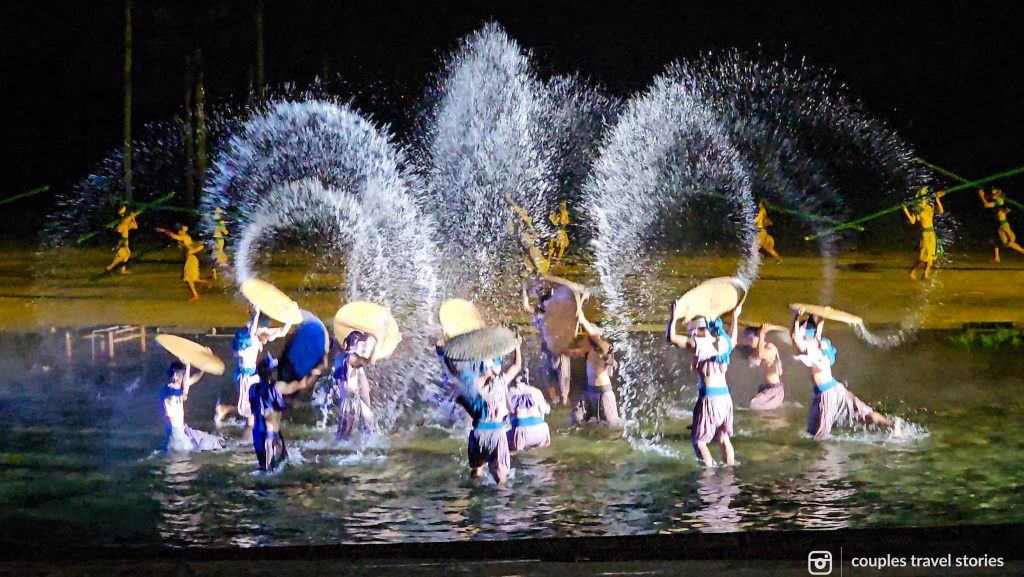
A charming historical town known for its well-preserved architecture and lantern-lit streets, Hoi An is a UNESCO-World Heritage site. Visitors can explore its picturesque old streets and walk around Hoi An Ancient Town, try egg coffee, shop for tailored clothes and watch a cultural show at Memories Land. You can also take a leisurely riverboat ride at Thu Bon river or join the Lantern Festival celebrated every enjoy 14th day of the lunar month, when the moon is at its brightest. Check out our guide to the best things to do in Hoi An.
Top Rated Stay: Banana Garden Villa
Best Places to Visit in Central Vietnam
My Son Sanctuary
Located an hour from Hoi An, you can visit My Son (which translates to beautiful mountain), a UNESCO World Heritage Site. You can learn more about the history of Vietnam and the former kingdom of Champa. We recommend you book a tour to explore My Son Sanctuary to better understand and learn more about the history, architecture and cultural significance of the area.

Marble Mountains
Located in Da Nang, Marble Mountains is a network of 5 marble mountains named after the 5 elements. You can explore caves and temples, and don’t miss the panoramic view from the top of Thuy Son Mountain.

Ba Na Hills
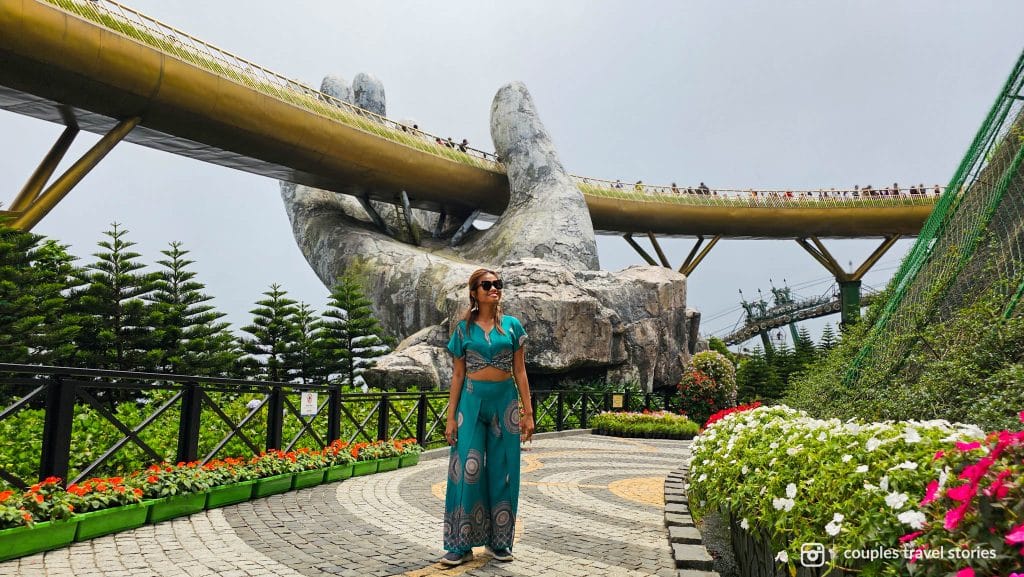
This French-inspired amusement park is located outside of Da Nang. It is located high in the mountains and you will need to take a cable car (that holds 4 Guinness-world records), where you can visit the famous Golden Bridge held by two giant stone hands and several attractions including the French Village, Fantasy Park and King Helios Waterfall. You can also ride the Alpine Coaster or the drop tower at Fantasy Park.
Phong Nha-Ke Bang National Park
On your trip to Central Vietnam, don’t miss the largest cave in the world, Son Doong Cave. It is located in Phong Nha-Ke Bang National Park, a UNESCO World Heritage site known for Asia’s oldest karst mountain and massive caves perfect for trekking, caving, and river exploration. Other notable caves you can visit include Phong Nha Cave, Dark Cave and Paradise Cave.
Best Places in South Vietnam
South Vietnam is perfect for travelers who like the urban energy, scenic river delta landscapes and tropical islands.
Best Cities in South Vietnam
Ho Chi Minh City
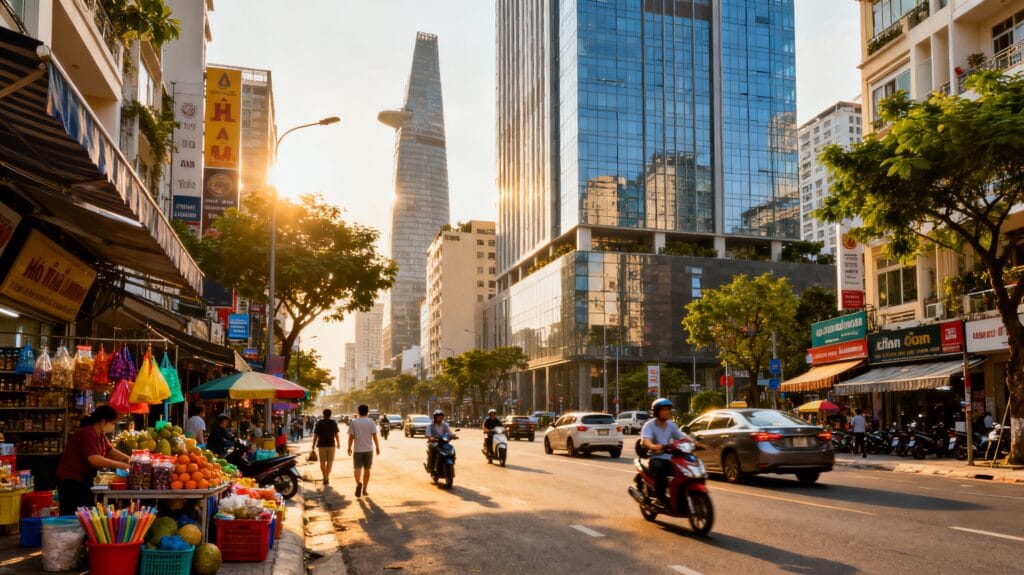
Vietnam’s largest city, formerly known as Saigon, is a bustling city with a blend of colonial architecture and modern skyscrapers making it the main hub in Southern Vietnam. Key sites include the War Remnants Museum, Cu Chi Tunnels, Notre-Dame Cathedral, Central Post Office, and the Ben Thanh Market.
Top Rated Stay: Sherwood Suites
Can Tho
Can Tho is famous for its vibrant Cai Rang Floating Market, the largest and most colorful floating market in the Mekong Delta. Take a boat trip along the Hau River and through rural islets, exploring charming Ninh Kieu Wharf with lively street markets, and visiting cultural sites like the Ong Pagoda and Can Tho Museum to learn about the city’s rich history.
Top Rated Stay: LION 11 Can Tho Hotel
Vung Tau
Vung Tau offers a quick beach escape near Ho Chi Minh City with seaside promenades and fresh seafood. Front Beach and Back Beach are key attractions as well as the 32-meter Jesus Christ Statue atop Nui Lon, the historic White Palace (Villa Blanche) with colonial artifacts, and the Vung Tau Lighthouse.
Top Rated Stay: SIN OAE HOTEL
Best Places to Visit in South Vietnam
Mekong Delta
Known as Vietnam’s “Rice Bowl,” the Mekong Delta is a lush, green region with floating markets, orchards, and scenic waterways. Explore Cai Rang and Phong Dien floating markets by boat, sampling tropical fruits and witnessing daily river life around Can Tho. Vinh Long and Chau Doc provide serene sampan rides through rice fields, Tra Su Cajuput Forest, and Sam Mountain viewpoints. Overnight stays in Ben Tre or Tra Vinh reveal Khmer pagodas like Ang Pagoda and peaceful spots like Ao Ba Om Lake.
Tra Su Cajuput Forest
Part of Mekong Delta, Tra Su Cajuput is one of the most unique natural wonders of South Vietnam. It has an iconic “green carpet” appearance from the layer of water lilies and floating plants blanketing the water’s surface. You can take a boat ride and the best time to visit is during flooding season of Mekong Delta from September to November. Explore Cai Rang and Phong Dien floating markets by boat, sampling tropical fruits and witnessing daily river life around Can Tho.
Cu Lao Cao Island (Hon Lao)
Located in the south of Vietnam, Cu Lao Cau Island (also known as Hon Lao ) is a pristine island with unique rocks and crystal clear blue water that makes us think of Seychelles. There are no developed infrastructure on this island making it a great escape for nature-lovers. It is also a great spot for snorkeling and trekking.
Phu Quoc Island
Phu Quoc Island features pristine Sao Beach, Phu Quoc National Park hikes, and Dinh Cau Night Market for seafood. It is also called Dao Ngoc or Pearl Island. It is famous for its white-sand beaches, water sports, luxury resorts, fishing villages, and eco adventures. Don’t miss Phu Quoc National Park, a UNESCO Biosphere Reserve; top beaches such as Sao Beach, Long Beach, Ong Lang Beach and Bai Khem Beach, and the main town of Duong Dong.
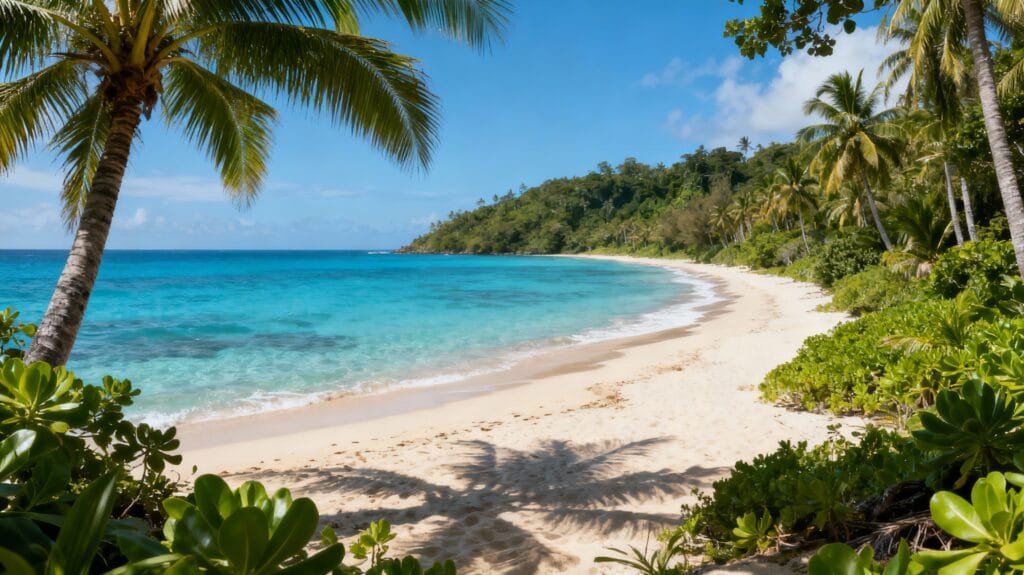
Check out the best tours in Phu Quoc Island – and book in advance.
North to south or south to north?
Most travelers recommend starting in the south (Ho Chi Minh City) and traveling north (toward Hanoi) when visiting Vietnam. This south-to-north route allows for a more gradual acclimatization, beginning with the dynamic urban energy and tropical climate of the south before progressing to the culturally rich and mountainous regions in the north. Additionally, Ho Chi Minh City is a major international gateway, often making it easier to begin your trip there in terms of flight connections and logistics.
Another advantage of traveling south to north is that the scenic and cultural highlights progressively build toward the iconic northern destinations such as Ha Long Bay and Sapa. The south’s warmer, more consistent weather also makes it a comfortable start, especially during cooler months in the north.
South to north is often considered the best flow for the typical Vietnam itinerary due to easier international access, smooth climate acclimation, and a natural progression of diverse experiences throughout the country. This is not essential however and traveling in either direction is valid.
Best Time to Visit Vietnam
The best time to visit Vietnam varies by region due to its length and diverse climate. Generally, the dry season from November to April offers the most pleasant weather countrywide with cooler, drier conditions in the north and south.
- In Northern Vietnam, spring (March-April) and autumn (September-November) provide warm, sunny days ideal for sightseeing.
- Central Vietnam enjoys sunny and hot weather from February to August but faces typhoon risks from August to November.
- Southern Vietnam stays warm year-round, with a more distinct dry season from December to May and a rainy monsoon season from June to November, with brief showers that rarely disrupt travel.
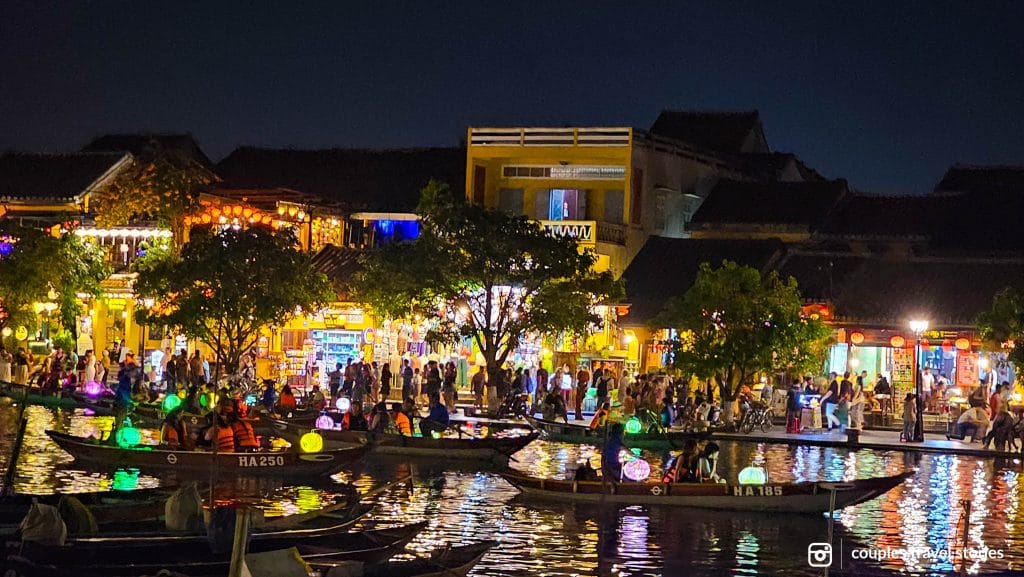
Thus, planning travel between November and April is usually best if visiting multiple of Vietnam’s regions.
Sample Vietnam Itineraries
Here are a few sample Vietnam itineraries which allow you to see many highlights of the country, based on how long you may be staying.
7-Day Vietnam Highlights Itinerary
- Days 1-2: Hanoi – Explore Old Quarter, Hoan Kiem Lake.
- Days 3-4: Ha Long Bay – Overnight cruise, kayaking.
- Day 5: Ninh Binh – Boat through Trang An caves.
- Day 6: Hue – Imperial Citadel, Perfume River.
- Day 7: Ho Chi Minh City – Fly south, Ben Thanh Market.
10-Day South-to-North Itinerary
- Days 1-2: Ho Chi Minh City – Cu Chi Tunnels day trip.
- Days 3-4: Mekong Delta – Can Tho floating market.
- Days 5-6: Hoi An – Ancient Town, lantern boats.
- Day 7: Da Nang/Hue – Marble Mountains or Ba Na Hills.
- Days 8-9: Hanoi – Water Puppet Theatre.
- Day 10: Ha Long Bay – Day cruise.
14-Day Full Loop Itinerary
- Days 1-3: Ho Chi Minh City – Mekong Delta overnight.
- Days 4-5: Phu Quoc Island – Beaches, night market.
- Days 6-7: Hoi An – My Son ruins, coconut village.
- Day 8: Hue – Thien Mu Pagoda.
- Days 9-10: Hanoi – Ninh Binh side trip.
- Days 11-12: Ha Long Bay – Multi-day cruise.
- Days 13-14: Sapa – Rice terraces trek.
Vietnam Packing List and Tips
Here are a few of our tips for traveling Vietnam:
- Carry cash (Vietnamese Dong) for street food and small vendors, as cards aren’t always accepted outside cities.
- Use Grab app for affordable rides; negotiate motorbike taxis (xe om) upfront to avoid overcharges.
- Drink bottled or filtered water only; brush teeth with bottled water to prevent stomach issues.
- Apply for e-visa online 3-7 days ahead (30-90 days validity for most nationalities).
- Bargain politely at markets but smile—it’s part of the culture; start at 50-70% of asking price.
- Book trains/buses via 12Go.asia for reliability; overnight options save time and hotel costs
Here’s our essential Vietnam packing list:
- Lightweight, quick-dry clothes for humidity; long pants/sleeves for temples and sun protection.
- Rain poncho or compact umbrella (monsoon-ready).
- Reusable water bottle with filter (e.g., LifeStraw); power bank for long days.
- DEET insect repellent, sunscreen (SPF 50+), and antidiarrheal meds.
- Universal adapter (Type A/C plugs), noise-canceling earplugs for buses.
- Daypack for hikes; modest swimwear for beaches; comfortable walking shoes.
Vietnam Travel Budget and Costs
Vietnam remains budget-friendly for travelers, with daily expenses ranging from $25–$150 USD depending on style. Budget travelers average $30–50/day, mid-range $50–100, and luxury $150+. Costs below reflect 2025 averages for two people sharing (per person rates).
| Category | Budget | Mid-Range | Luxury |
| Accommodation | $10–20 (hostel/guesthouse) | $30–60 (3-4* hotel) | $150+ (resort) |
| Food | $10–15 (street food/pho) | $20–40 (local restaurants) | $50+ (fine dining) |
| Transport (internal) | $5–15 (bus/train) | $20–50 (private transfer) | $100+ (domestic flight) |
| Attractions | $5–10 (temples/markets) | $20–40 (tours/cruises) | $100+ (private guides) |
| Daily Total | $30–50 | $50–100 | $200+ |
If you’re interested in budget travel, check out which Vietnamese cities rank in our top affordable cities in Southeast Asia, or where Vietnam ranks in the top affordable countries for digital nomads.

Why Travel to Vietnam
Vietnam is undoubtedly one of our favourite countries in Southeast Asia. The cities are very livable, exude so much culture and have so much to do. And the landscapes are just jaw-dropping gorgeous.
Vietnam is an absolute dream for digital nomads, as the city life is incredible. Both Hanoi and Ho Chi Minh offer excellent internet speeds, great nightlife and things to do, cafes, and amazing restaurants, all for a very low cost of living. We could rave about the food and coffee here all day – the diet is so incredibly fresh, healthy and tasty, we could live off of Vietnamese food alone. And the specialty coffee drinks are unlike anything else we’ve had. We still dream about the egg and cocoa coffees.
The cities also display the incredible culture and history of Vietnam. The country has been shaped by various dynasties, colonial influences, and modern developments. Visitors can step back in time in the ancient town of Hoi An, explore the remnants of imperial Vietnam in Hue, or learn about the Vietnam War in Ho Chi Minh City or Da Nang museums. Visiting the Buddhist temples and learning about the Cham people were also some of our favourite experiences.
We also have to mention Vietnam’s stunning landscapes—from the dramatic limestone formations of Ha Long Bay to the emerald terraced fields of Sapa, the country offers picture-perfect scenery. Taking a road trip through Northern Vietnam and visiting some of the most beautiful waterfalls on planet earth will be a memory that lasts for a long time.
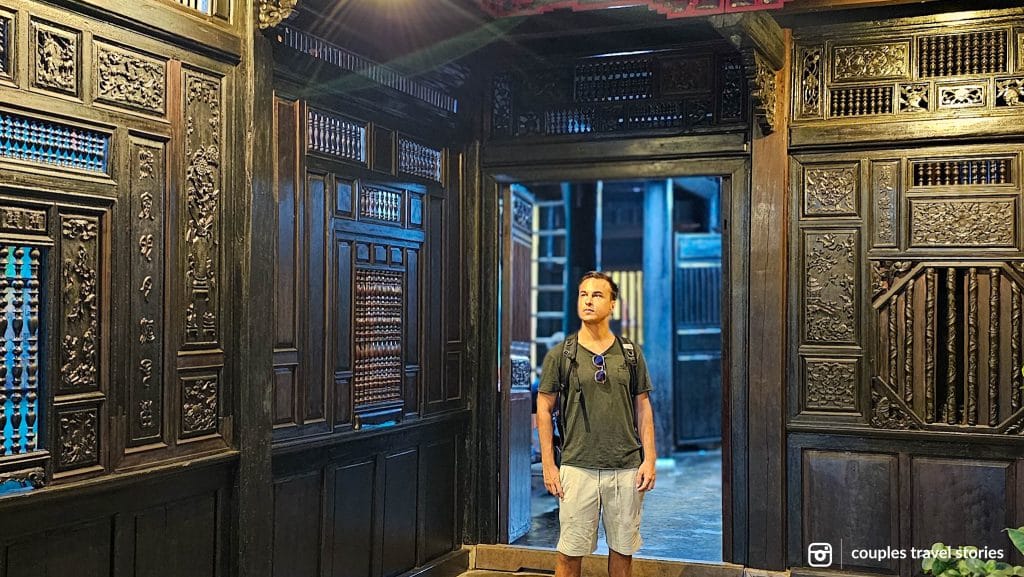
With so many appeals, traveling in Vietnam is still very budget-friendly. With all that it offers, Vietnam may be one of the best value countries to travel across, or live in as a digital nomad.
Final Thoughts on Vietnam
We hope you find these recommendations of the best places in Vietnam helpful! We love Vietnam so much, before we even left we were already making plans to come back. The cities, islands and beautiful river delta in southern Vietnam was incredible. In Central Vietnam, we loved the historic old towns and affordable city life. Northern Vietnam has absolutely incredible road-trips, waterfalls and landscapes that has to be some of the best in the world.
In case you missed it, these travel guides can help with your planning for Hanoi, Da Nang and Hoi An.
See you on your next adventures!